Homeowners Insurance Including California Wildfire and Gulf Coast Hurricane Risk
Homeowners Insurance · 10 min read · Updated July 2026 · Casurance Editorial Team
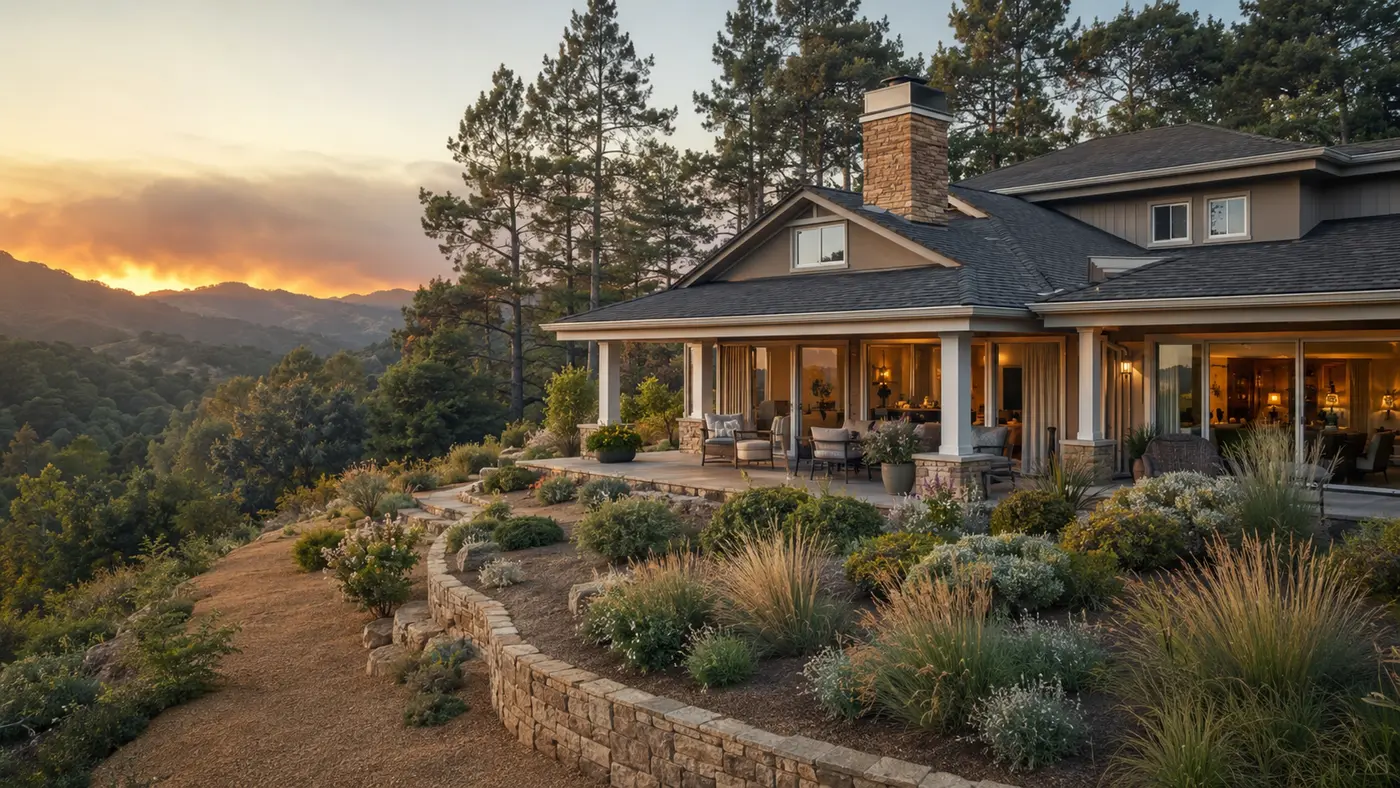
Homes in wildfire-prone California communities and hurricane-exposed Gulf Coast areas require more than a familiar carrier name and a basic dwelling limit. The useful question is whether the policy, valuation method, deductibles, and catastrophe exclusions match the property that actually exists. This guide explains how to evaluate that protection without treating wildfire, wind, storm surge, and flood as if they were the same peril.
Start with the true rebuilding cost
Market value and rebuilding cost are different. A dwelling limit should reflect labor, materials, debris removal, architectural features, local code requirements, and the cost pressure that follows a regional catastrophe. High-value homes may also contain custom finishes, imported materials, detached structures, landscaping, collections, or building systems that a basic estimator misses. Extended or guaranteed replacement-cost provisions can provide an additional margin, subject to policy conditions. Ordinance or law coverage helps address the added cost of rebuilding to current codes. Review valuations annually and after renovations rather than waiting until a claim.
California wildfire underwriting
Wildfire underwriting can consider roof and siding materials, enclosed eaves, ember-resistant vents, vegetation, slope, road access, water supply, nearby fuels, prior losses, and community protection. Defensible space is not a promise of coverage, but it can reduce vulnerability and may improve eligibility with some insurers. Photograph mitigation work, keep receipts, and ask the insurer or broker which improvements it recognizes. Where standard options are limited, a California FAIR Plan policy may provide basic fire coverage, often paired with a difference-in-conditions or companion policy for liability, water damage, theft, and other perils. The policies must be reviewed together to identify gaps.

Hurricane, wind, and flood are separate questions
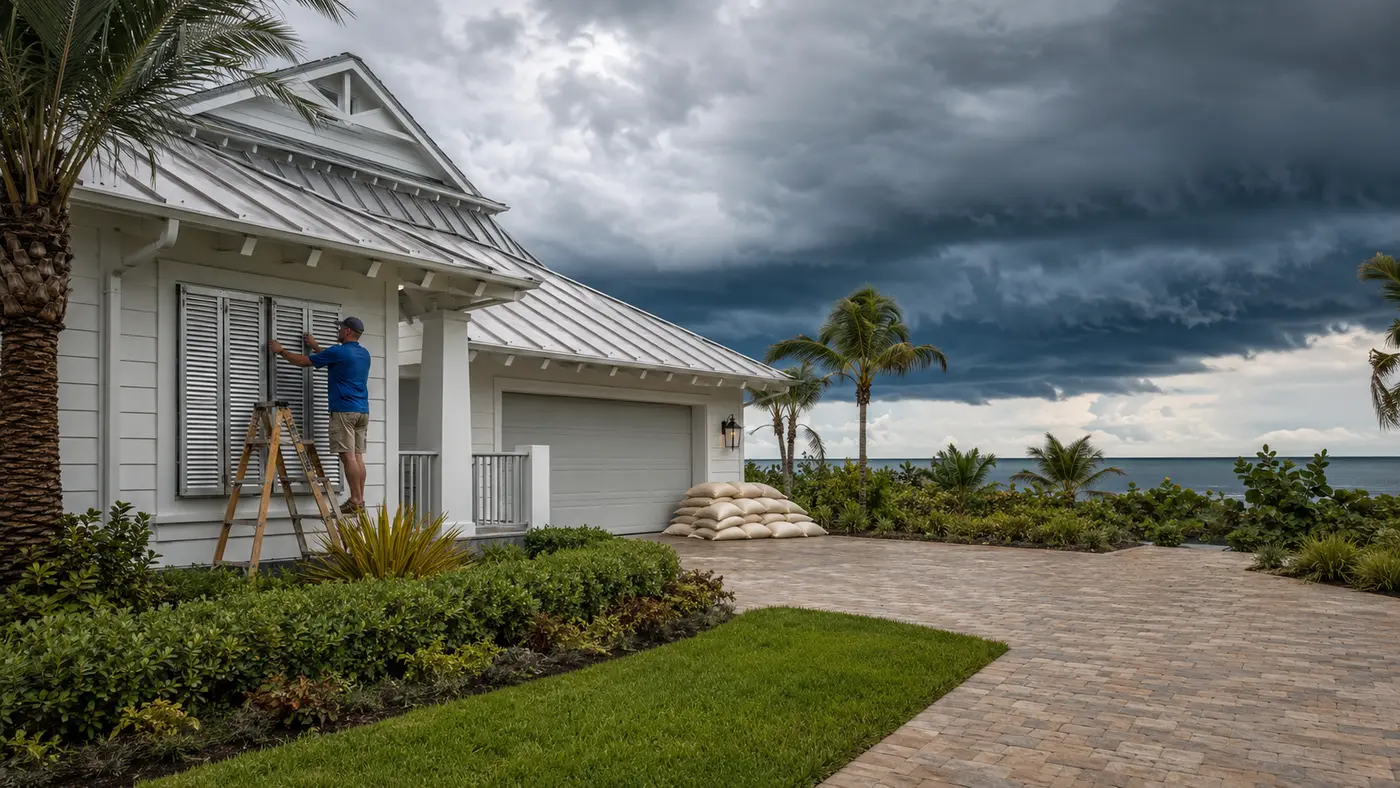
Coastal homeowners policies may apply a named-storm, hurricane, or wind deductible expressed as a percentage of the dwelling limit. In some areas, wind coverage may be restricted or placed separately. Storm surge and surface flooding are generally not covered by a standard homeowners policy; separate flood insurance may be needed. Ask for an illustration of the deductible in dollars, not only a percentage. Confirm whether fences, docks, landscaping, backup of sewers or drains, temporary living expenses, and code upgrades are covered and at what limits.
High-value and secondary homes
A high-value or secondary residence can require broader replacement-cost treatment, cash-settlement options, higher limits for jewelry and art, equipment-breakdown coverage, domestic-staff considerations, and more generous additional-living-expense terms. Vacancy, seasonal occupancy, short-term rental activity, or ongoing construction can change eligibility. Disclose how the property is used. An accurate placement is safer than a cheaper policy based on assumptions that do not match the home.
Build a coordinated catastrophe plan
Keep a current home inventory, exterior and interior photographs, receipts for major improvements, digital copies of policies, and emergency contact information. Test shutters and generators, maintain roofs and gutters, manage vegetation, and plan evacuation before the season begins. Insurance should be coordinated with flood, earthquake, umbrella, valuables, and auto coverage where relevant. The goal is a program in which deductibles, limits, and exclusions are understood before a catastrophe—not discovered afterward.
Key Takeaways
- Insure rebuilding cost rather than market value
- Wildfire, wind, and flood can require different policies or endorsements
- Review catastrophe deductibles in actual dollars
- Document mitigation and major property improvements
- Coordinate FAIR Plan or wind placements with companion coverage to avoid gaps