NEMT & Paratransit Insurance
A regional fleet needs a clear insurance story: where vehicles operate, how passengers are assisted and who is responsible for each trip. Casurance helps NEMT and paratransit companies bring that information together for a practical market review.
Operate and protect a regional accessible fleet
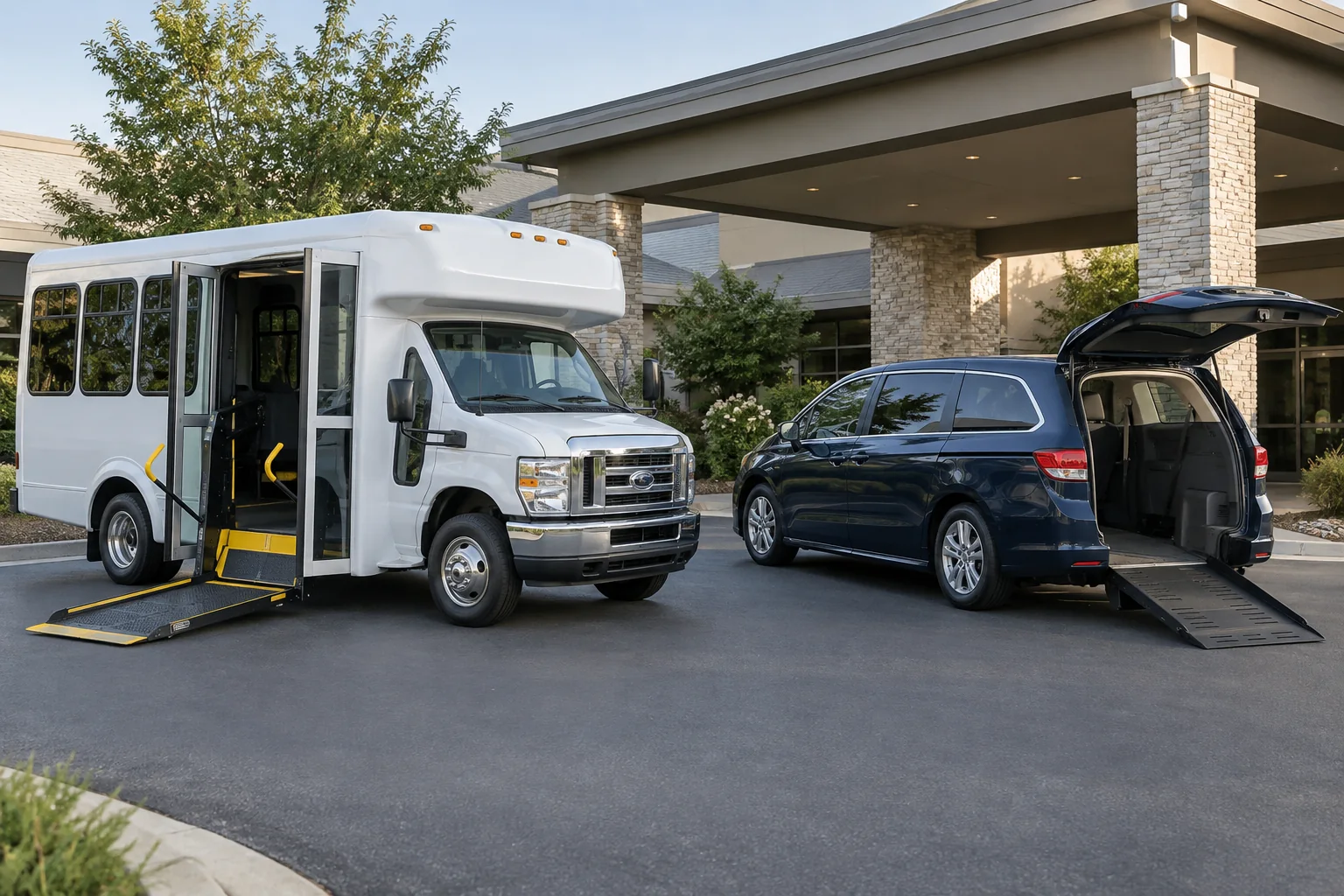
Fleets of any size are welcome to request options. We consider single-unit businesses, small fleets and large operators with several depots, including wheelchair vans, ambulatory vehicles, gurney and stretcher vans, ambulettes and accessible shuttle fleets.
Protect My Regional Fleet · 1-888-254-0089
Two-step request: save business and contact details, then add operations, coverages, vehicles, drivers and documents.
What NEMT and paratransit insurance is built to address
NEMT means non-emergency medical transportation, but the label alone does not define the accepted service. Underwriters need to understand passenger assistance, equipment, territory and contracts. Paratransit can also include community and demand-response trips. Disclose ambulance or emergency work separately, and explain any clinical tasks or passenger handling beyond the ordinary ride.
Commercial insurance for the full operation
Review commercial auto liability, comprehensive and collision, general liability, professional liability, SAM, workers’ compensation and employer’s liability. Match umbrella or excess layers to the underlying policies and requested contract limits. Passenger injuries can raise questions under several coverage forms; no policy name guarantees that a particular assistance, securement or vehicle-use allegation will be covered.
Supporting coverage options
Hired/non-owned auto can be relevant to replacement vehicles and business use of vehicles the company does not own. Review uninsured/underinsured motorists and medical payments where available. Property, portable equipment, cyber and crime can address covered exposures involving depots, dispatch systems, supplies and funds. Discuss equipment valuation and any available rental or downtime protection when a specialized van is out of service.
Operations and vehicles we can review
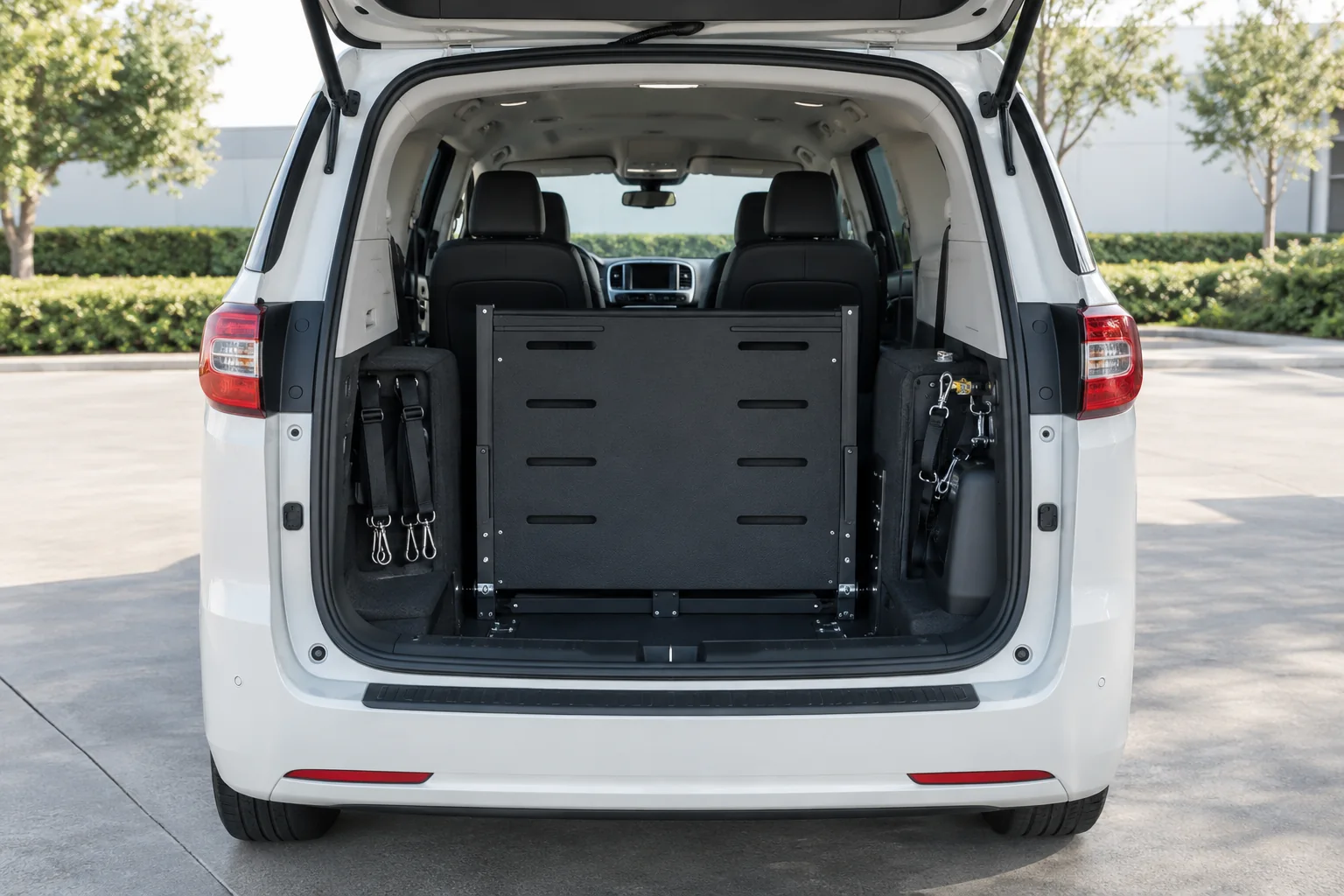
Include wheelchair and ambulatory trips, dialysis schedules, senior living, adult day care, behavioral health, hospital discharges, private-pay appointments and managed-care work. Describe each vehicle’s seating, wheelchair positions, lift or ramp, conversion value and stretcher equipment. A larger passenger shuttle has a different capacity and operating pattern from a single gurney van even when both serve the same facility.
Passenger claims can start before the drive
Illustrative incidents include a wheelchair moving during a turn, a passenger falling during an assisted transfer, a stretcher striking a facility doorway and an attendant being injured while loading equipment. These are risk examples, not Casurance loss records or promised claim outcomes. Training, maintenance, documentation and clear handoff responsibilities help explain the controls behind your submission.
California enrollment, vehicle changes and documents
For California litter and wheelchair van enrollment, DHCS identifies vehicle and driver documentation, including commercial registration and insurance evidence; specified inspections and permits apply where required. Source: DHCS transportation provider application guidance. Keep the company’s enrollment documents aligned with its fleet schedule. CPUC, DMV, local authority and Medi-Cal questions must be resolved for the actual operation rather than assuming one permit applies to every NEMT provider.
Arizona and Nevada service planning
Identify the payer, contract administrator and applicable transportation authority for each state before adding cross-border work. Provide Arizona and Nevada garaging addresses, actual trip radius, employee locations and any state-specific permits. A policy written for a California-based fleet does not by itself establish participation in another state’s Medicaid program. Ask for a separate review when a new territory, vehicle class or agency agreement changes the operation.
Local fleet exposures across the region
Illustrative planning cases: a Los Angeles discharge fleet may use constrained hospital loading areas; a Phoenix operator may need detailed heat and backup-vehicle procedures; a Las Vegas community shuttle may manage several passenger return times from different facilities. A Sacramento depot storing multiple converted vans also concentrates property exposure. These examples should prompt disclosure of your actual routes, premises and controls, not assumptions about a city-wide required limit.
Transportation contracts and certificate requirements
Bring the full MTM Health, Modivcare, managed-care plan, hospital, medical group or public-agency exhibit. Record auto and GL limits, PL, SAM, workers’ compensation, excess requirements, additional-insured requests, waivers and certificate recipients. Insurance certificates must accurately report bound coverage and approved endorsements. Casurance can help review the insurance portion; contract award, provider credentialing and trip authorization remain with the purchasing organization.
Broker and provider-network resources
Other networks to identify in your submission include Verida and SafeRide Health, alongside Medical Answering Services when New York Medicaid work is relevant. Verida describes an independent transportation-provider network; SafeRide Health operates a NEMT network and technology platform. Source: the organizations’ provider information. Mentioning a network does not mean Casurance is affiliated with it or that it has open contracting opportunities in your service area. Use the legal entity and current program documents on your proposed agreement.
Healthcare organizations and other buyers
California health plans, dialysis organizations, hospitals, rehabilitation facilities, senior communities and state or local agencies can each set different service and insurance terms. A facility’s pickup procedure may differ from a broker’s documentation rules. Describe both when they apply to the same trip. Keep trip authorization, enrollment, billing and insurance evidence as related but separate parts of the operating process.
Become a contracted provider with a complete file
Prepare business registration, tax information, licenses or permits, vehicle documents, driver qualifications, training evidence, inspection records and insurance materials requested by the buyer. Check whether a provider application is open for your market and vehicle type before committing to expansion. An insurer’s quote is not a provider contract, a guarantee of trip volume or permission to begin operations.
Driver standards, training and dispatch technology
Document MVR review, background screening, credential expiration dates, passenger assistance training, wheelchair securement instruction, lift maintenance and incident escalation. Confirm the actual buyer and regulator requirements; avoid universal assumptions about minimum age, training brands or a single inspection standard. If dispatch software or outside platforms handle passenger information, explain access controls, subcontractor access and how your team maintains required trip records.
Cost factors and quote preparation
Vehicle count and value, assistance level, garaging, mileage, driver experience, prior losses, requested limits and deductibles all inform the submission. Send current declarations, available loss runs, vehicle and driver schedules, revenue and payroll, contracts and planned changes. A new venture can provide an operating plan and relevant owner experience. Casurance helps you compare the available terms and identify what remains to be completed before binding.
Questions about operate and protect a regional accessible fleet
Can a regional fleet use one application?
Yes. Present the complete company and list each state, depot and contract. The resulting insurance structure may involve several coverages or insurers depending on the operation.
Do you consider operators with prior claims?
Submit the loss details and explain corrective action. Eligibility is market-dependent, but a clear account of events and improvements helps the review.
Do we need to choose a dispatch system before asking for insurance?
You can start the request while planning operations. Explain the proposed dispatch method and update the submission when technology, data handling or subcontracting arrangements are finalized.